Denver, Co has a way of feeling brand new and old-school at the same time. One minute you’re walking past glass towers and food halls, the next you’re staring at brick warehouses, ghost signs, and streets that still follow a 1800s logic. The city didn’t become itself overnight; it snapped into place through a series of turning points, some loud, some quiet, all unforgettable.
Below are 12 moments that helped shape Denver, Co into the place people recognize today.
1) A trading post becomes a foothold (1858)
Before it was a city, this area was a gamble. In 1858, settlers set up a small trading post near the South Platte River, hoping the region would stick. It was scrappy, temporary, and exactly the kind of beginning that makes later success feel surprising.
2) The Pike’s Peak Gold Rush fuels the first wave (1859)
Gold rumors pulled people in fast. In 1859, prospectors poured through, building camps, businesses, and a rough local economy. Even when many miners moved on, Denver, Co kept growing because it became a supply and service hub, not just a place to strike it rich.
3) Denver takes its name and aims high (late 1850s to 1860s)
The city was named to win political favor, an early sign that Denver, Co understood branding before branding was a thing. It wanted to be the center of power and trade for the region, and it acted like it.
4) Becoming a capital changes everything (1876)
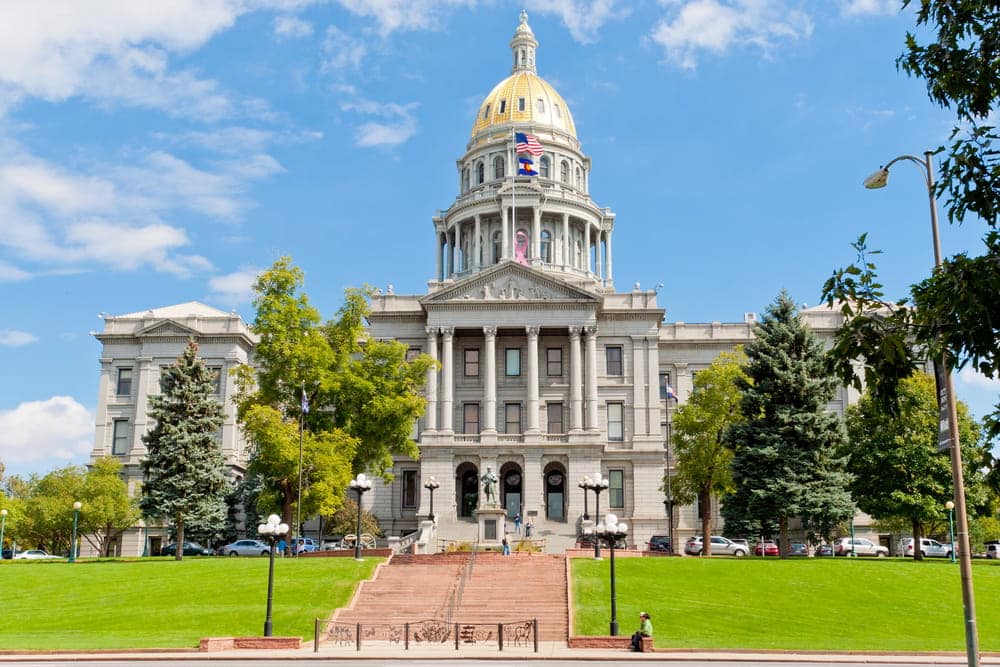
Colorado’s statehood in 1876 made Denver the state capital. That matters because capitals attract infrastructure, institutions, and steady investment. It also brought a more permanent identity to Denver, Co, beyond boomtown energy.
5) The railroad era locks Denver into the map (1870s)
When rail lines connected Denver to the rest of the country, it flipped the city’s future from “maybe” to “inevitable.” Rail access meant people, goods, and money could move reliably. Denver, Co became a regional anchor instead of an isolated outpost.
6) Silver booms, then busts, test resilience (1880s to 1890s)
Mining wealth, especially tied to silver, created rapid growth, fancy buildings, and real civic ambition. Then the crash hit hard. What’s important is what came after. Denver, CO, learned how to diversify, rebuild, and keep its footing when a single industry wobbled.
7) A grand civic moment: the City Beautiful era (early 1900s)
This was when Denver started caring deeply about how it looked and felt. Parks, parkways, and public buildings became part of the plan. You can still feel that mindset today in the city’s green spaces and civic layout around Denver, Co.
8) The Stock Show becomes a tradition (1906)
The National Western Stock Show began in 1906, and it became one of the clearest examples of Denver balancing city growth with western roots. It’s not just an event, it’s a statement that Denver, Co can modernize without losing its origin story.
9) Postwar growth spreads the city outward (1940s to 1960s)
After World War II, growth accelerated, neighborhoods expanded, and car culture reshaped how people lived and moved. This is when Denver, Co started to look more like the metro area people know now, bigger, broader, and more connected to surrounding communities.
10) The “Mile High” identity goes mainstream (1960s to 1970s)
Denver’s altitude was always there, but the identity around it grew louder in the mid-to-late 1900s. Teams, tourism, and local culture leaned into the label. It’s a fun badge, but it also hints at the reality of living in Denver, Co, where visitors notice the elevation before they notice anything else.
11) Downtown reinvents itself (1990s)
The 1990s brought major downtown investment and a shift toward walkable districts, sports venues, and revitalized streets. LoDo’s transformation helped change outside perceptions of Denver, Co from a “pass through” city to a place people planned trips around.
12) A new era of growth and reinvention (2010s to today)
Recent decades brought more newcomers, more cranes, more restaurant openings, and a bigger national spotlight. With that came real challenges, affordability, growth pressure, and big conversations about what the city should protect. Denver, Co is still writing this chapter, which is part of what makes it interesting right now.
Why these moments still matter when you visit
If you’re exploring today, these turning points show up in small ways, the layout of streets, the mix of old brick and new glass, the pride locals take in traditions, and the constant reinvention. The city’s history isn’t locked in a museum, it’s right there in the vibe, especially when you slow down and look around.
If you want to keep going, the next post breaks down the nickname everyone knows, plus what people get wrong about it, read Why Denver is called the Mile High City, plus a few myths.
And if you want your home or business to look as crisp as the views after a fresh snowfall, Super Clean can help, book trusted window cleaning in Denver Co through our service page.