If you’ve spent more than five minutes in Denver, Co, you’ve probably heard it, seen it on a shirt, or had someone casually drop it into conversation like it’s a personality trait. “Mile High City.” It sounds like a marketing slogan, but it’s actually tied to a real number, and a very specific spot you can stand on and brag about.
Still, the nickname has picked up a lot of legends over the years. Some are funny, some are almost true, and a few just refuse to die. Let’s break down what the Mile High City label really means in Denver, Co, and clear up the myths that keep showing up in visitor conversations.
The simple reason: 5,280 feet above sea level
A mile is 5,280 feet. The elevation of Denver, Co sits right around that mark, and that is the whole origin story. Not poetry, not mystery, just math and geography.
The most famous “proof point” is on the steps of the Colorado State Capitol. There’s a marker that shows where you hit exactly one mile above sea level, and people love taking photos there because it feels like a tiny achievement you can carry home. If you’re visiting Denver, Co for the first time, it’s a fun, quick stop that makes the nickname feel real.
Why the Capitol steps matter so much
Here’s the interesting part: elevation is not a single fixed number for the entire city. Like most places, Denver, Co has slight changes depending on where you are. That’s why the Capitol steps became the symbolic spot. It gives the nickname a home base, something visual, something you can point to.
Over time, the “mile high” marker has been updated as measurements became more accurate. So if you hear someone say there were different markers in different eras, that’s not a conspiracy, it’s just improving tools and standards.
Myth 1: “All of Denver is exactly one mile high”
Not quite. Denver, CO, is close to one mile in elevation, but it varies across neighborhoods. Some areas sit a bit higher; some sit a bit lower. The nickname is still fair because the city’s identity is tied to that mile-high benchmark, but it’s not like every sidewalk is precisely at 5,280 feet.
A good way to think about it is this: Denver, CO, is a mile-high city in the same way coastal towns are “sea level towns.” The vibe is true, even if the exact number shifts a little.
Myth 2: “The air has less oxygen in Denver”
This one is everywhere, and it’s almost always said with total confidence. In Denver, Co (and at higher elevations in general), the percentage of oxygen in the air is basically the same as at sea level. What changes is air pressure. Lower pressure means each breath delivers fewer oxygen molecules than your body is used to, so you can feel winded faster.
That’s why visitors in Denver, Co sometimes notice stairs feel rude, workouts feel harder, and a quick jog turns into a slow shuffle. It’s not that oxygen vanished; it’s that your body is adjusting to thinner air.
Myth 3: “You’ll get altitude sickness the moment you land”
Most people won’t. Some will feel mild effects like headaches, dry mouth, or fatigue, especially if they push too hard on day one. But the dramatic “I stepped off the plane and collapsed” storyline is rare.
If you want an easy first-day strategy in Denver, Co, hydrate, take it slower than your ego wants, and keep alcohol light at first. The city is more fun when your head is not pounding.
Myth 4: “Cooking in Denver is basically impossible”
It’s not impossible, but it is different. Water boils at a lower temperature at higher elevations, which can affect baking and cooking times. People in Denver, Co learn little adjustments, like increasing bake time, tweaking leavening, and watching moisture.
If you’re just visiting, you don’t need to panic about your dinner plans. But if you ever wondered why locals swap baking tips like secrets, the elevation is a big reason.
Myth 5: “The Mile High City nickname is only about sports”
Sports helped spread it, but the nickname existed as a geographic identity, not a team chant. Yes, “Mile High” shows up in stadium culture and merch, but Denver, Co didn’t invent the phrase to hype a game. The altitude came first, the branding came later.
What the nickname feels like day to day
Once you settle in, the “mile high” part becomes less about the number and more about little habits. You carry water more often. You notice how fast the sun can hit, even on cooler days. You learn that the weather can flip quickly. And you realize Denver, Co has a slightly different rhythm than lower-elevation cities.
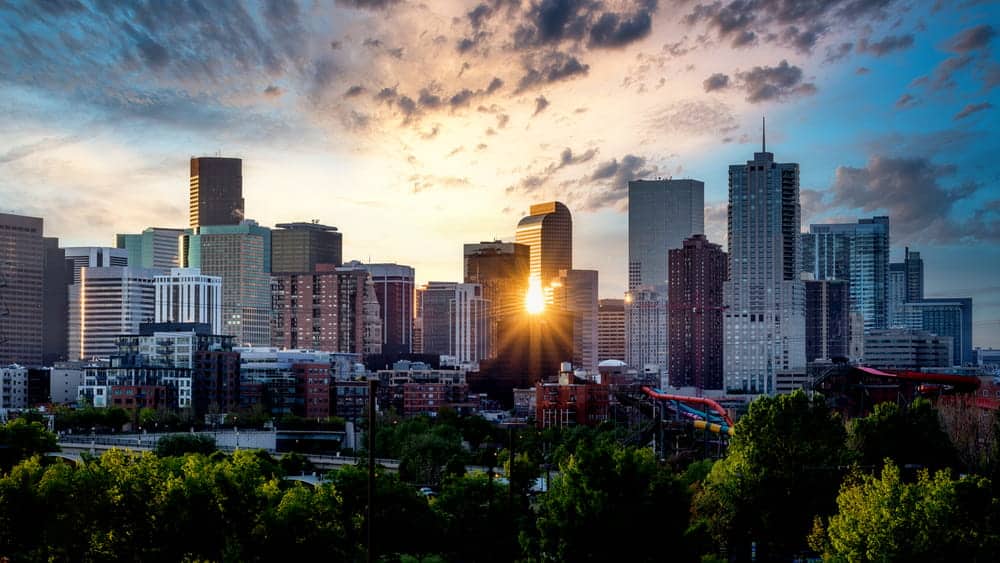
It also helps explain why people here love viewpoints, skyline shots, and wide-open scenery. When you live in Denver, Co, you’re constantly reminded that you’re closer to the sky than you’re used to.
Keep the vibe, skip the confusion
The Mile High City nickname is true, it’s just not a perfect flat-line measurement across the entire metro. The best way to enjoy it is to treat it like a fun local fact with a real foundation, then laugh off the myths that try to turn it into magic.
If you want the next “only in Denver, Co” landmark that lives up to the hype, your next read is the Red Rocks Amphitheatre guide, What to Know Before You Go.
And if you’re seeing the high-altitude sun on every window in your home or storefront, Super Clean can help you keep the glass looking sharp. Check out our Denver, CO window cleaning service page to book a visit.